Another Executive Order : The Show That Never Ends
We’re Certain That Emerson, Lake & Palmer Did Not Anticipate The 2026 Mid-Term Election Or The Grandstanding Of Congress And The President Alike

We feel foolish. We have spent dozens of hours researching, reading, and writing about housing affordability. We had the silly notion that learning and thinking might lead to new ideas. Imagine our dismay to learn that a simple proclamation from the Executive Branch could deliver lower housing costs.
And, remember that President Trump refused to sign the ROAD to Housing Act.
On October 22, 2026, the President signed his 292nd executive order. In “Decreasing Housing Costs for the American People”, the President:
- Instructed housing visionary Bill Pulte to determine whether he believes the best interests of Fannie Mae and Freddie Mac would be served to implement a pilot program applicable only to new mortgages insured by those GSEs. The program would review from time-to-time those new mortgages to consider whether any private mortgage insurance paid by the borrower should be discontinued;
- Created a manufactured housing task force to facilitate the growth of manufactured housing production; and
- Directed Mr. Pulte to consider expansion of a small program applicable to a very small number of mortgage refinancings.
We will not go into the details. The summaries will be sufficient to expose the irony in the title of the executive order.
Considering a Possible Program to Save a Few Hundred Dollars a Month Some Years from Some Future Date of Implementation of Some Pilot Program
The short version of chapter 1 of this story is that the White House told Pulte to consider whether Fannie and Freddie might identify some mortgages originated in the future that might someday be sufficiently equity rich to warrant cancellation of private mortgage insurance if some undetermined method of valuation assesses that the borrower has sufficient equity in the home, has satisfied a laundry list of unidentified criteria, and has satisfied other unidentified additional criteria.
We are embarrassed that we did not conceive of such an obvious and simple solution to the housing affordability problem. After all, possibly eliminating PMI some years from now for some small set of mortgages that are secured by homes that possibly have an unspecified amount of equity is the epitome of Occam’s Razor. Eliminating a few hundred dollars of monthly cost some number of years from now inevitably will have broad and powerful impact on housing affordability today. Or, maybe, the Republican party’s mid-term election efforts needed an executive order with an affordability theme.
Gathering As Many Bureaucrats As Possible To Make Recommendations As To A Non-Existent Problem
In chapter 2, the executive order directs a conclave of presidential cabinet secretaries to make recommendations for the use of “modern” manufacturing methods in factory-built housing. The cognoscenti from various federal agencies are instructed to promote specifications for these methods, coordinate approval of the methods across the federal government, make the approval process more efficient, and use federal money to encourage innovation and production and competition. The task force is directed also to explore how to use federal money to coerce local governments to permit and license manufactured housing.
We have thoughts on this task force.
The largest manufactured home company is Clayton Homes. Berkshire-Hathaway owns Clayton Homes (and Mungo Homes and a big chunk of Lennar and smaller chunks of other home builders). We doubt that Mr. Buffett or his team need DJT, Pulte, or anyone from any government to guide, encourage, or coerce innovation at Clayton Homes. Our money is on Berkshire-Hathaway to find every possible way to make manufactured housing affordable and appealing.
Regarding local governments, licensing and permitting manufactured homes is not the problem. Zoning is the obstacle. Zoning ordinances limit the location of manufactured homes because the citizens who elect the zoning officials want those limitations. Local governments are not acting capriciously. They are responding to the voters.
Upend Decades, If Not Centuries, of Title Insurance Practices to Save a Few Hundred Dollars
Finally and thankfully, in chapter 3, the executive order instructs FHFA Director Bill Pulte to determine whether the GSEs (Fannie and Freddie) and the American public and as-yet-undiscovered life forms across the Universe would live better lives in more affordable housing if title insurance were replaced with “an automated title review” in certain “low-risk” home mortgage refinancings. The FHFA already operates a pilot program that eliminates the title insurance requirement for a small set of refinancing transactions that pose little title risk. The executive order instructs Pulte to consider expanding the program.
Now, here’s the mystery. How would eliminating title insurance in a refinance transaction, which typically amounts to a few hundred dollars, lower the cost of housing? If the cost of title insurance were an impediment to refinancing, eliminating the cost would lower a barrier.
- In refinancings, title insurance companies typically charge a modest premium because no ownership change occurs.
- In the “low risk” refinancings, no complicating event has colored titled to the home that secures the loan.
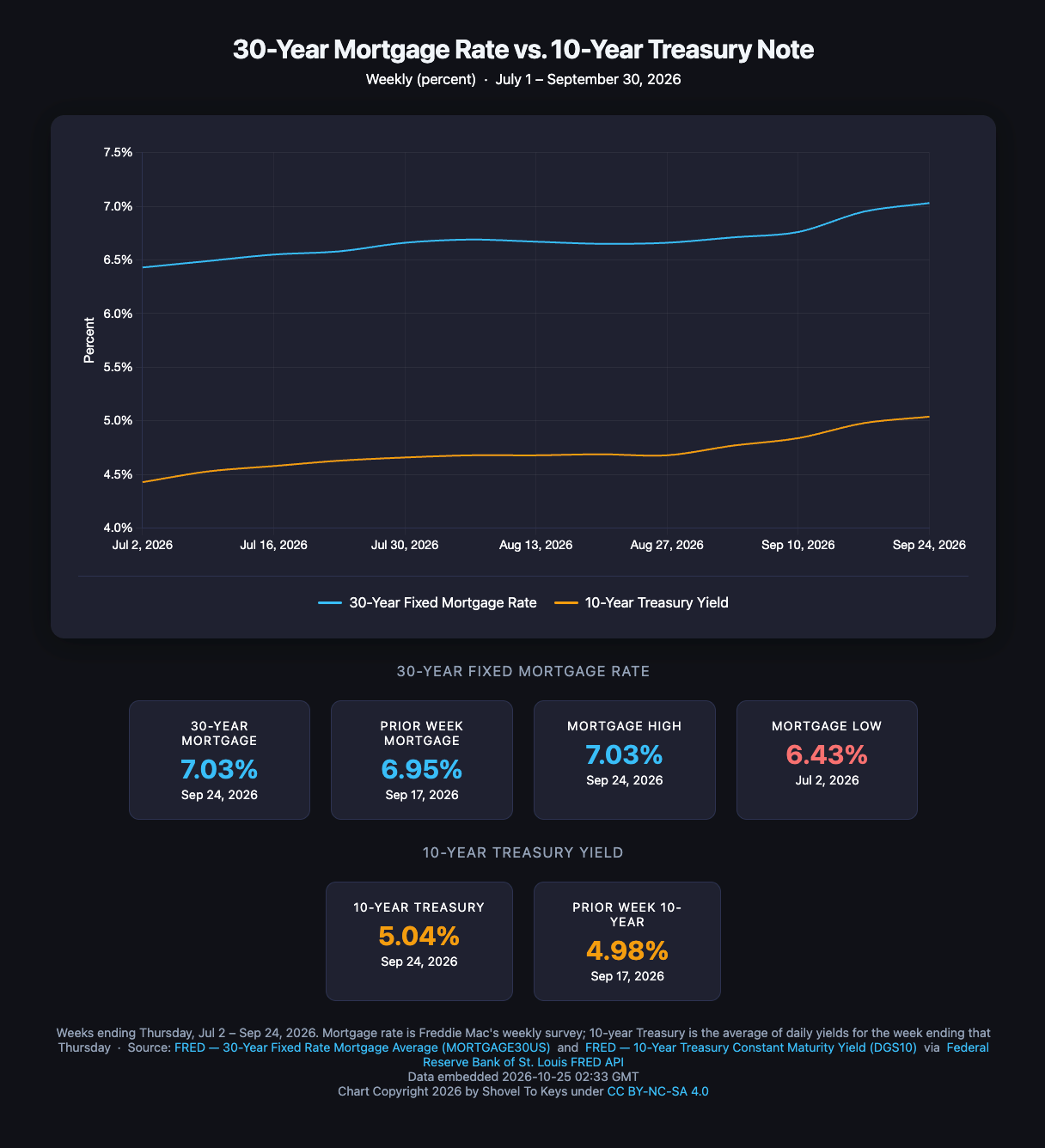
The impediment to refinancing in 2026 is not the title insurance premium. The obstacle to refinancing is interest rates. Nearly all homeowners today enjoy a mortgage interest rate below the prevailing rate of roughly 7.30%. Refinancings occur today:
- To convert an adjustable rate loan to a fixed rate loan:
- To receive cash out of the refinancing for debt consolidation, home improvement, college tuition, healthcare emergency, or some other need or desire unrelated to the home or the existing home loan;
- To eliminate private mortgage insurance;
- Because of a divorce; or
- To move to a different loan term (e.g., from 30 years to 15 years or vice versa).
While eliminating PMI or extending a loan term from 15 years to 30 years can reduce the borrowers monthly payment, the elimination of the title insurance premium likely will not increase the probability or appeal of refinancings. On the other hand, a refinancing without title insurance introduces an uncertainty into the chain of title that could complicate a future sale of the property.
Just Politics
When the election is about affordability, any action that purports to address the cost of living is fodder for campaign ads. Like the ROAD to Housing Act, which President Trump refused to sign, this executive order is grandstanding. Nothing in the executive order will address fundamentally the cost of housing. Of course, truth and reality are not relevant in politics or political advertising.
PS. If you’re disappointed that this essay included no charts, leave a comment.