Builder Report : Lennar’s Horrendous Q3
EPS For The Nation’s Second Largest Homebuilder Declined Almost 50% Year-Over-Year

Our research into housing affordability led us some months ago to curiosity about the business models and particularly mortgage financing business models of the nation’s largest home builders. A useful, if not always fog-free, resource for learning about any publicly traded company is the literature at the Securities and Exchange Commission. We began reading the annual reports of the largest homebuilders, known in securities law circles as 10-Ks.
Our reading history may make us less popular than ever at cocktail parties and Sunday football gatherings, but we have learned a good bit about how builders with access to capital address housing affordability challenges. Because our education brings before us the publicly shared financial information of homebuilders who comprise a large portion of the new home market, we also see nearly in real time the financial consequences of weak and weakening housing affordability. We believe these consequences are instructive and will endeavor to synthesize the quarterly and annual reporting of the largest publicly traded homebuilders in timely posts for our readers.
Lennar in 2025
Lennar is the nation’s largest home builder measured by home sales revenue and in second position behind D.R. Horton when ranked by number of homes delivered. For the fiscal year ending November 2025, Lennar reported:
- Home sales revenue (excludes land sales and lending services) of $32.097 billion;
- Homes delivered of 82,583, which accounted for 12.2% of the annualized 12-month trailing average of new homes sold nationwide of 677,000;
- An average selling price of $391,000 (after deducting sales incentives, price discount, and mortgage rate buydown), landing 5.55% below the 12-month trailing average median new home sales price nationwide of $414,000 for all new home builders; and
- A home sales gross margin (revenue less direct cost of land, materials, and labor and less sales incentives, discounts, and mortgage rate buydown) of 17.7%;
Lennar also operates a substantial “financial services” segment, which originates mortgages and provides title insurance and other loan-related services. In 2025, Lennar’s financial services operations:
- Originated 55,900 loans;
- Made a mortgage loan to 84% of Lennar’s buyers who were not cash buyers;
- Generated financial services revenue of $1.2 billion; and
- Had a gross margin of 51.1%.
Earnings per share for the fiscal year 2025 was $7.98, down from $14.31 in fiscal 2024 and boosted by share buybacks totaling over 14 million.
Lennar Struggled in Its Fiscal Third Quarter
Lennar reports on a fiscal year that ends November 30. The third quarter report for the three months ending August 31, 2026 appeared in a 10-Q filing (the quarterly version of the annual 10-K) with the SEC on October 2. The high and rising hurdles for the business foreshadowed dimly in the earnings call became starkly apparent in the company’s quarterly report, which compares quarterly and year-to-date results for 2026 and 2025:
- Lennar delivered 20,840 homes in Q3 2026, down 3.4% from Q3 2025, and take note of accusations that some of these sales were not arms-length;
- The average sales price (after deducting incentives) declined 2.9% from Q3 2025 to $372,000;
- Total homebuilding revenue was down 5.8%;
- The dollar value of incentives (price reduction, mortgage rate buydown, closing costs, and the like) fell to $51,000 from $64,100, which might seem a positive but probably reflects a reduction of Lennar’s initial asking price for its homes;
- Pre-tax income plummeted 51%; and
- Earnings per share fell 48% from the prior year’s third quarter ($1.19 from $2.29).
Despite a steep drop in the dollar value of incentives, Lennar’s gross margin on home sales still fell to 15.8% from 17.5% in 2025.
Like other of the largest homebuilders, Lennar operates a significant mortgage originations business. In the third quarter, Lennar originated a loan to 83% of its customers who used a loan for their home purchase. Although mortgage volume dropped by only 8.2%, revenue in the financial services division cratered by 28%. Earnings before income taxes (EBIT) in the division declined 32.6%.
For the nine months ending August 31, 2026 as compared to the same period in 2025:
- Homebuilding revenue declined 7% and EBIT fell 40.6%;
- The number of homes delivered dropped 5%;
- The average selling price slid by 5.3% compared to a 1.9% fall in the 12-month trailing average median new home sales price nationwide;
- Gross margin dropped to 15.5% from 18.0% attributable, according to Lennar, to higher land costs as well as a lower average sales price; and
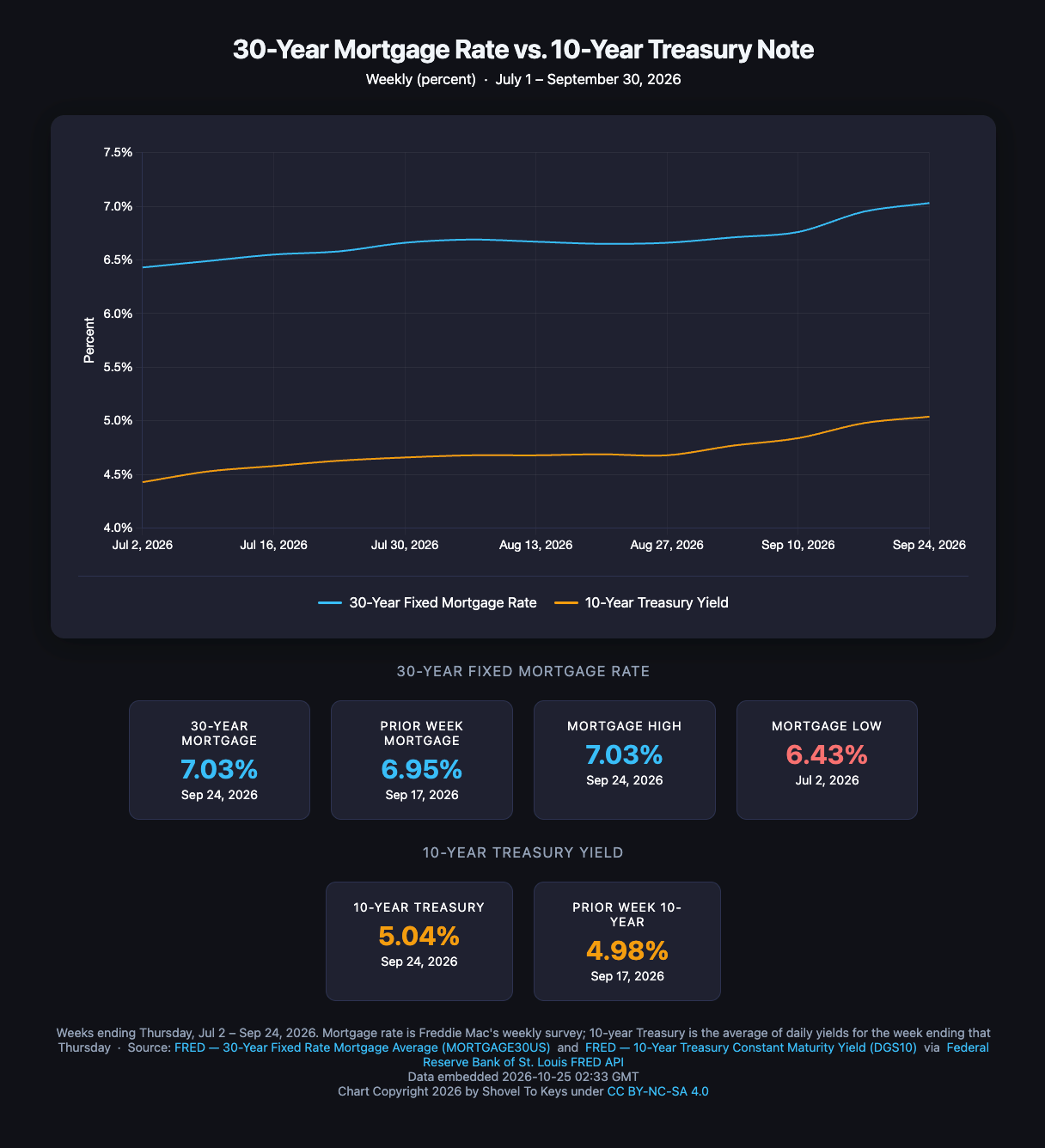
- Financial services revenue declined 23.7% and EBIT dropped by 32.6% (which would have been significantly worse but for a one-time $39.2 million gain from a favorable litigation outcome) because of rapidly rising mortgage rates at the end of the quarter.
The third quarter obviously was challenging for Lennar, as it likely was for all home builders. Although Lennar desires to maintain its sales pace, the weakening financial results of the company (especially average sales price and gross margin) are not likely to compel Lennar to increase construction volume to ease the supposed housing supply shortage. More likely, Lennar will slow construction to match sales opportunity, reduce sales incentive cost, and rehabilitate gross margin and earnings per share.
From Numbers to Narrative
For a home builder, the art of 10-K and 10-Q authorship in a weak housing market is to deliver a most favorable outlook amidst a torrent of unfavorable market conditions. Lennar’s third-quarter 10-Q is a worthy example:
- Lennar’s business model is to deliver affordable housing to consumers who face rising interest rates and higher living costs;
- Gross margin improved slightly from the second quarter, but building affordable housing depresses gross margin;
- Pressing the volume accelerator in a weak margin environment will improve margin in the long run, although an increasing share of potential buyers are unable to qualify for financing;
- Interest rates are unlikely to decline in the near-term and resale housing inventory is climbing, but building more houses is the strategic answer;
- Labor constraints and high land prices to say nothing of tariffed materials will pressure costs upward, but building more houses at low margins will capture future opportunity; and
- Driving volume will position Lennar well when interest rates decline, wage growth exceeds inflation and housing price increases, and regulatory reform eases the cost and time to build, even though these improving conditions are visible in no one’s crystal ball.
We mean no criticism of Lennar. The word dance is unavoidable for management understandably driven to mollify Wall Street and to preserve stock price. Still, the contradictions are unmistakable and illustrate the difficulty, if not impossibility, of delivering affordable housing in 2026.
A Financially Challenged Lennar Will Not Increase Home Building Volume
In a prior post, we scrutinized the often repeated assertion that home affordability will be aided by a growth in home building volume. We challenged the notion for the simple reason that increasing volume diminishes profits when purchase-capable demand is less than robust, and home builders are thoroughly profit-driven. Lennar’s Q3 results affirm our assessment.
With prices and sales declining and inventory rising, Lennar’s profit collapsed in the third quarter. The company’s purported emphasis on consistent volume is double-speak. Closings and orders declined. Revenue fell. Cash-on-hand dropped dramatically. Continuing to build for non-existent buyers can only result in further deterioration of profit and cash.
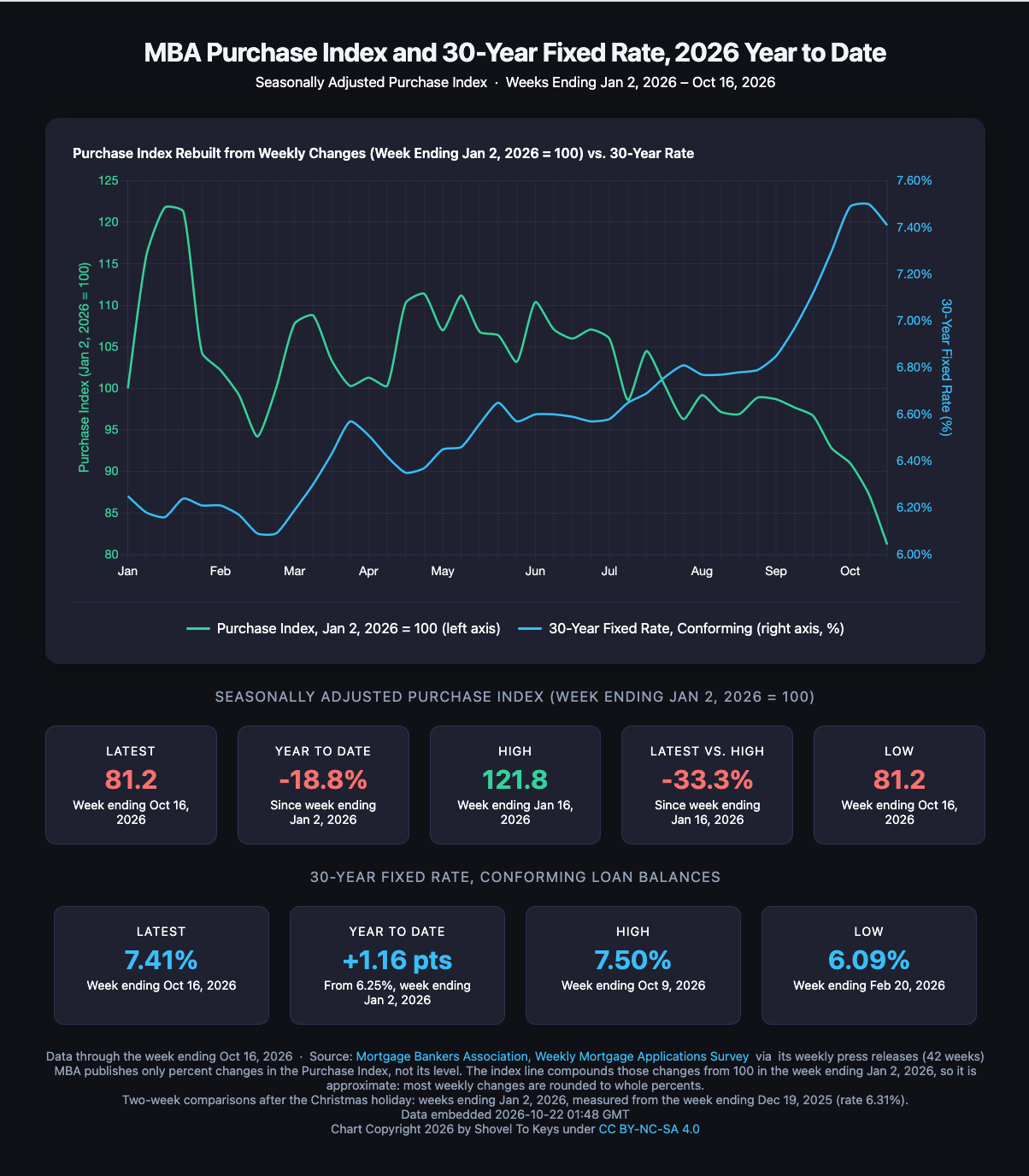
If Wall Street analysts did not measure home builders by unit volume and top-line revenue, Lennar’s logical response to declining prices and gross margin and earnings would be to shrink volume, constrain supply, pare undesirable lot inventory, and reduce expenses. These steps would bring supply into balance with demand particularly in light of skyrocketing mortgage rates and would stanch the company’s financial deterioration. For reasons that baffle many of us, Wall Street will demand that Lennar swim directly against the riptide, despite the risk of financial drowning.
Bookmark this post for your attention in early January when Lennar reports for the fourth quarter. We may be wrong, but the emphasis on volume looks to be a poor (and likely not authentic) strategy.
Berkshire Hathaway Is Buying Lennar Shares
The future for Lennar seems bleak. New home orders fell over 9%. Cash-on-hand fell to $1.15 billion from $3.44 billion over the year in large measure because of stock re-purchases at prices higher than Lennar’s current share price. Inventory climbed by almost 21%. The 30-year mortgage rates has jumped almost 75 basis points since the end of Lennar’s third quarter. Whether these forces are a tsunami or Carolina coastal riptide, staying out of the homebuilding water seems urgently prudent, yet some investors see opportunity.
Warren Buffett may have turned over the reins of leadership at Berkshire Hathaway, but betting against the legendary investing prowess of Mr. Buffett’s team is probably still unwise. Just after the Lennar Q3 earnings call, Berkshire Hathaway purchased over $193 million of Lennar shares. B-H now owns over 11% of Lennar in addition to 100% of homebuilder Taylor Morrison, which Berkshire bought earlier this year for almost $7 billion, and all of Clayton Homes and its subsidiary Mungo Homes.
The homebuilding operations of Greg Abel’s (Warren Buffett’s successor) crew, excluding Lennar, deliver approximately 23,000 site-built homes each year in addition to manufactured housing. Lennar likely will deliver over 80,000 homes in its fiscal year ending November 30. With smaller investments in NVR and D.R. Horton, Berkshire Hathaway has its hands deeply into a substantial portion of single-family home building.
Keep an eye on the Berkshire folks, especially if you have a long time-horizon for investing. Lennar and its competitors will struggle in the near-term, but the longer view may be that home builders are a bargain at today’s share prices.